





Introduction
Grand Theft Auto V (GTA V) has consistently pushed the boundaries of video game narratives since its release in 2013. Renowned for its vast open world and intricate storytelling, the game challenges players with moral dilemmas in a criminal setting. At the center of this narrative lies a specific issue: the representation of crime and morality. This article delves into how GTA V portrays criminal activity and the ethical choices presented to players, examining how these elements reflect society's views on crime and morality, and their impact on player behavior.
The Setting: Los Santos
A Reflection of Reality
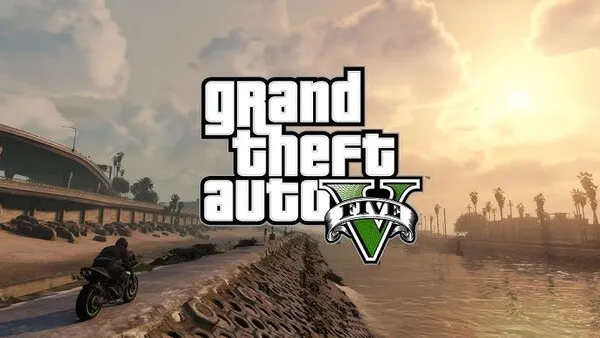
GTA V is set in the fictional city of Los Santos, which mirrors real-life Los Angeles. This setting is not just a backdrop but a critique of modern society, encapsulating various social issues such as inequality, corruption, and the glamorization of violence. The carefully crafted environment allows players to engage with the game's themes at both surface and deeper levels.
Urban Landscape and Crime
Los Santos is designed with a wide range of neighborhoods, each reflecting different socio-economic realities. Players navigate areas from the affluent Vinewood Hills to the gritty streets of South Los Santos, encountering various types of crime associated with these environments. This disparity highlights the different motivations and moralities associated with crime in different social strata.
Crime as a Medium of Expression
Through its sprawling urban environment, GTA V portrays crime as both an act of survival and a choice, influenced by socio-economic conditions. Players engage in theft, assassination, and other unlawful activities, leading to a deeper question: does the environment justify the means?
The Protagonists: Michael, Franklin, and Trevor
Complex Characterization
The three protagonists—Michael De Santa, Franklin Clinton, and Trevor Philips—embody different facets of morality and criminality. Each character's motivations stem from their backgrounds, presenting players with a multifaceted view of crime.
Michael: The Disillusioned Criminal
Michael represents the American Dream gone awry. Once a successful bank robber, he is now living in witness protection, grappling with dissatisfaction and yearning for excitement. His character poses the question: is crime an escape from the monotony of life, or a path to self-destruction?
Franklin: The Aspiring Hustler
Franklin, on the other hand, seeks upward mobility. He starts as a repo man, but his aspirations lead him into a deeper world of crime. His story reflects the struggle of many individuals trying to break free from a cycle of poverty, raising ethical questions about the lengths one should go to achieve success.
Trevor: The Anarchic Force
Trevor is the embodiment of chaos. His unpredictable nature forces players to confront the moral implications of his actions. As a character, he challenges the boundaries of ethics, leading to scenarios that force players to question their own moral compasses.
Crime Missions: Ethical Dilemmas
The Nature of Crime in Missions
The various missions in GTA V serve as vehicles for moral exploration. Players often face dilemmas that force them to make choices with significant ethical implications, shaping their understanding of right and wrong within the game's context.
High-Stakes Heists
Heist missions, such as "The Big Score," provide opportunities for players to engage in elaborate criminal schemes. These missions require strategic planning and execution, but they also present consequences. Players must decide how to approach each heist, including whether to go in guns blazing or adopt a stealthier method, highlighting the player's agency in shaping moral outcomes.
Consequences of Actions
The game's narrative structure allows players to face the repercussions of their actions. A player’s choices during heists can affect relationships among the protagonists and the overall story arc, reinforcing the idea that actions—criminal or otherwise—carry weight.
The Impact of Choice: Player Agency
Free Will vs. Predetermined Outcomes
GTA V is particularly notable for its emphasis on player agency. Unlike many conventional narratives, the game allows players to define their moral stance through the choices they make. This open-ended design provokes thought around free will and the consequences of one's decisions.
Morality System
While there is no explicit morality system in GTA V, the outcomes of missions often reflect the consequences of choices. Players can choose to complete missions in violent or non-violent ways, influencing the game's tone and narrative. This design encourages players to reflect on their values and the implications of their choices.
The Role of the Player
Players often experience cognitive dissonance—enjoying the freedom offered by the game while simultaneously grappling with the moral implications of their actions. This tension exemplifies a broader commentary on the relationship between art, ethics, and player behavior.
Media Representation of Crime
Cultural Commentary
GTA V is not merely a game; it acts as a commentary on the media's portrayal of crime and its effects on society. By exaggerating crime and societal issues, the game invites players to critique real-world events.
Satire and Social Critique
Through satire, GTA V criticizes consumerism, political corruption, and societal violence. The exaggerated portrayal of crime serves to highlight real-world issues, prompting discussions about morality and ethics in contemporary society.
Violence and Realism
The game’s graphic depiction of violence raises concerns about desensitization and societal norms. Critics argue that the realistic portrayal of crime and its consequences can impact player behavior, leading to discussions about the effects of violent video games on real-world actions.
Gender Representation in Crime
The Role of Female Characters
GTA V has faced criticism for its treatment of female characters, often relegating them to secondary roles. While the game primarily focuses on male protagonists, the representation of women raises important questions about gender and crime.
Stereotyping and Objectification
Female characters in the game often embody stereotypes, serving as love interests or marginalized figures in the narrative. This representation can perpetuate harmful stereotypes and limit the potential for critical discussions about gender and crime.
Opportunities for Empowerment
While the game largely centers around male protagonists, it also offers opportunities for empowerment through characters like Denise and Tanisha, who challenge traditional gender roles. Exploring these characters can lead to deeper conversations about the intersection of crime, gender, and society.
Community Response and Controversy
Public Outcry and Legal Issues
GTA V’s portrayal of violence and crime has sparked significant public outcry, resulting in debates about freedom of expression versus societal responsibility. These controversies often lead to calls for censorship and regulation in the gaming industry.
Impact on Developers
The backlash against GTA V often influences developers to consider their portrayals of crime and morality in future projects. Critiques focus on the need for responsible storytelling that doesn’t glorify violence and criminal activity without context.
Community Engagement
The game's community often engages in discussions about its themes, fostering a space for dialogue around morality and crime. Online forums and social media platforms serve as venues for players to share their experiences and interpretations, highlighting the game's impact beyond mere entertainment.
Conclusion
Grand Theft Auto V masterfully intertwines themes of crime and morality within its narrative, presenting players with complex characters and ethical dilemmas. Through its open-world design, players are prompted to engage in self-reflection regarding their choices and the societal implications of crime. By exploring the characters' motivations and the consequences of their actions, players are encouraged to examine broader themes of morality, justice, and human behavior.
As GTA V continues to captivate audiences with its rich storytelling and compelling gameplay, it remains a potent commentary on the relationship between crime and morality, challenging players to navigate a world filled with ethical complexities. The game ultimately raises essential questions about the nature of crime and the morals that govern both virtual and real-life societies.