


Introduction
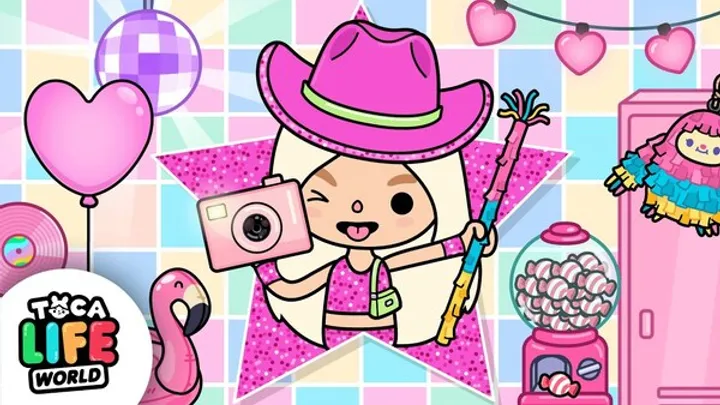
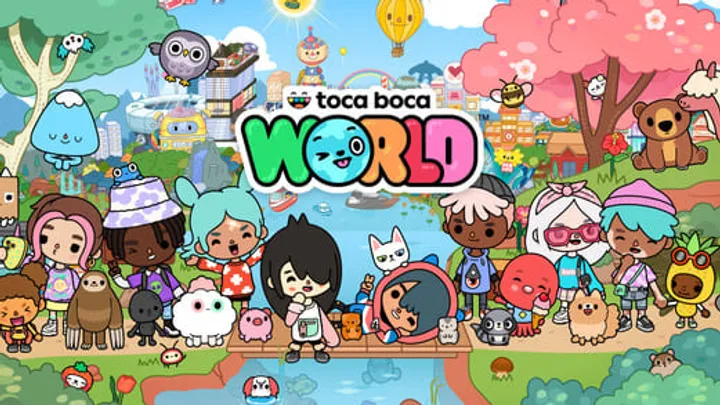
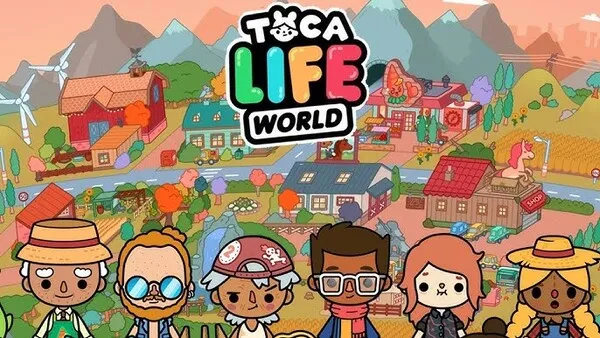
Toca Boca is a game that has captivated the hearts of children and parents alike, offering a unique blend of creativity and self-expression in a digital play space. With its colorful interface and innovative mechanics, Toca Boca allows children to explore various scenarios ranging from hairstyling to restaurant management. However, beneath the surface of playful animations and cheerful music lies a complex web of social dynamics that warrants deeper exploration. This article delves into the intricacies of social interactions in Toca Boca, examining how the game influences children's understanding of relationships, creativity, and emotional intelligence.
The Foundations of Toca Boca’s World
Creating a Safe Space
Toca Boca establishes a safe and imaginative world where children can experiment without the pressures of competitiveness. Each game is designed to encourage free play; there are no winners or losers, merely endless possibilities. This safety net allows kids to explore their identities and preferences in a low-stakes environment, highlighting the importance of emotional well-being in play.
Emotional Relevance in Characters
Within this freedom, the characters, often representing diverse backgrounds and personalities, provide a foundation for empathy. Children can experiment with different characters, understanding their emotions through interactions. For instance, when a child plays with a character feeling sad, they learn not only about that character's emotional state but also are prompted to reflect on their feelings and those of others.
Creative Interactions
Toca Boca games are built around the premise of creativity. When children engage in activities like cooking or decorating, they are encouraged to explore various outcomes. The open-ended nature of these activities promotes imaginative thinking and problem-solving skills.
Types of Interaction in Gameplay
- Physical Interactions: Players can move characters, manipulate objects, and customize environments.
- Social Interactions: Children can create narratives involving multiple characters, facilitating role-playing and storytelling.
- Emotional Interactions: Engaging with characters that display different emotions helps children develop emotional awareness.
Navigating Social Dynamics
Collaborative Play
Toca Boca encourages collaborative play, which is pivotal in developing social skills. When children play together, they must communicate their ideas effectively and negotiate decisions regarding their play scenarios.
Benefits of Collaboration
- Communication Skills: Children learn to articulate their ideas and listen to others, fostering effective dialogue.
- Compromise and Negotiation: Collaborative tasks compel kids to make decisions and compromises, honing their ability to navigate social situations.
Role-Playing and Identity Exploration
One of the significant aspects of Toca Boca is its emphasis on role-playing, allowing children to experiment with various identities.
Self-Concept and Role-Playing
Children can assume different roles, from a chef to a doctor, enabling them to explore aspects of their personality and interests. This exploration helps in developing a positive self-concept, as children can envision different futures for themselves.
Emotional Intelligence
The interaction with various characters and scenarios fosters emotional intelligence—a crucial aspect of social dynamics.
Understanding Emotions
As players encounter different emotions through characters, they become adept at identifying and processing their feelings. Games that require children to respond to a character’s emotions can improve empathy and emotional regulation.
Gender Dynamics in Toca Boca
Representation of Gender
Toca Boca features diverse characters that challenge traditional gender roles. The game allows girls and boys to engage in various roles, from caregiving to adventure-seeking.
Impacts on Gender Norms
By providing a platform where traditional gender expectations are less pronounced, Toca Boca encourages children to envision a broader spectrum of possibilities regarding gender roles. This exposure helps dismantle stereotypes and promotes inclusivity.
Gender and Emotional Expression
The game allows characters of all genders to express a range of emotions. This flexibility supports the idea that emotional expression is not limited by gender, fostering a more nuanced understanding of emotional well-being.
Parental Influence on Play
Co-Playing with Children
Many parents engage in Toca Boca gameplay with their children, which significantly shapes the gaming experience. Co-play can enhance learning through guided discussions and shared creativity.
Benefits of Co-Playing
- Modeling Behavior: Parents can model empathy, conflict resolution, and collaboration during gameplay.
- Encouraging Dialogue: Engaging in conversations about characters and scenarios can boost emotional intelligence and critical thinking.
Setting Boundaries and Encouragement
Parents also play a crucial role in setting boundaries around gaming time and providing encouragement in creative endeavors. Finding a balance between free play and structured activities promotes healthy gaming habits.
The Learning Aspects of Toca Boca
Educational Value
Beyond entertainment, Toca Boca offers various educational opportunities. With its emphasis on creativity and social interaction, the game serves as a tool for learning important life skills.
Key Learning Outcomes
- Decision-Making Skills: Players often need to make quick decisions based on their interactions, enhancing cognitive skills.
- Problem-Solving Abilities: Games that involve building or creating require critical thinking and innovation.
Fostering Creativity
The creative elements in Toca Boca stimulate imaginative thinking. Children can experiment with ideas in a way that traditional learning environments often do not allow.
Creative Projects in the Game
- Building Houses: Players can design and furnish homes, expressing individuality.
- Cooking Shows: Creating meals from various ingredients nurtures creativity in making choices.
Challenges and Critiques
Overstimulation and Screen Time
One potential critique of Toca Boca is the risk of overstimulation. While the vibrant colors and animations attract children, excessive screen time can lead to negative health effects.
Managing Screen Time
Parents need to set limits to ensure that children maintain a balanced lifestyle that includes physical activity and face-to-face interaction away from screens.
Addressing Cultural Sensitivity
Although Toca Boca emphasizes inclusivity, the representation of cultures must be handled sensitively to avoid stereotyping. Continuous evaluation and updates are essential to keep the game relevant and respectful of cultural contexts.
Conclusion
Toca Boca stands out as a remarkable fusion of entertainment, education, and emotional development. By enabling children to explore social scenarios, navigate complex emotions, and collaborate with peers, the game fosters essential life skills that transcend the digital space into real-life interactions. As technology continues to evolve, understanding the social dynamics within games like Toca Boca is crucial for harnessing their potential benefits while also mitigating their challenges.