.webp)







Introduction
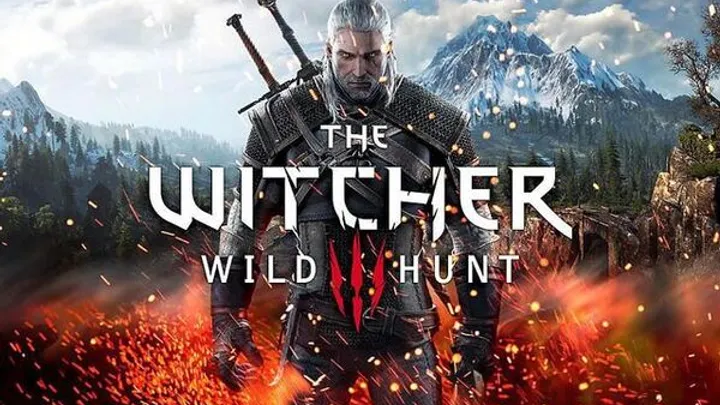
The Witcher 3: Wild Hunt is one of the most famous open-world role-playing games ever created. Developed by CD Projekt Red, the game combines a massive fantasy world, deep storytelling, challenging combat, monster hunting, exploration, and meaningful choices that affect the entire adventure.
Players take control of Geralt of Rivia, a professional monster hunter known as a Witcher. His journey takes him across dangerous lands filled with monsters, political conflicts, mysterious quests, and unforgettable characters. Unlike many action RPGs, The Witcher 3 rewards preparation, exploration, and careful decision-making.
For beginners, the game can feel overwhelming because there are many systems to learn, including combat, alchemy, crafting, equipment upgrades, quests, and character development. Understanding these mechanics early will make your journey smoother and more enjoyable.
This guide provides essential Witcher 3 tips and guides to help new players survive battles, build a stronger Geralt, explore efficiently, complete quests, and experience everything the world has to offer.
How to Start The Witcher 3 and Understand the Basic Gameplay
When starting The Witcher 3, players enter a large open world where exploration and storytelling are equally important. The game does not force players to follow only the main story. Instead, you can discover villages, investigate mysteries, hunt monsters, and complete optional quests.
The world is filled with details, and many side activities provide valuable rewards and memorable stories.
Basic Gameplay Goals
Players should focus on:
- Completing quests.
- Exploring new areas.
- Collecting resources.
- Improving equipment.
- Learning enemy weaknesses.
Beginner Tips
New players should:
- Read quest descriptions carefully.
- Explore before rushing the main story.
- Save often.
- Talk to NPCs.
- Collect useful materials.
The Witcher 3 is not just about fighting enemies. Understanding the world and making choices is a major part of the experience.
How to Master Combat and Defeat Enemies
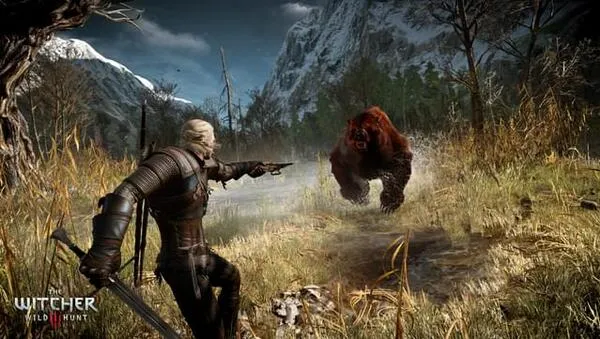
Combat in The Witcher 3 requires more than simply attacking. Geralt must combine sword skills, signs, potions, and strategy to defeat different enemies.
Each monster has unique abilities and weaknesses, so preparation is important.
Basic Combat Skills
Learn how to use:
- Fast attacks.
- Strong attacks.
- Dodging.
- Rolling.
- Blocking.
- Counterattacks.
Combat Strategy
A good fighting style includes:
- Studying enemy movement.
- Avoiding unnecessary damage.
- Using signs at the right moment.
- Applying oils before monster fights.
Using Witcher Signs
Signs are magical abilities that help Geralt during battles:
- Aard: Pushes enemies back.
- Igni: Creates fire damage.
- Quen: Creates a protective shield.
- Yrden: Slows magical enemies.
- Axii: Controls enemy behavior.
Learning when to use each sign makes combat much easier.
How to Prepare for Monster Hunts
Monster contracts are one of the best parts of The Witcher 3. Before fighting a powerful creature, preparation can determine success or failure.
Geralt is a Witcher, meaning he relies on knowledge and preparation rather than pure strength.
Monster Hunting Checklist
Before a difficult fight:
- Read the bestiary.
- Identify enemy weaknesses.
- Craft the correct oil.
- Prepare potions.
- Upgrade equipment.
Using Oils and Potions
Oils increase damage against specific enemy types, while potions provide temporary advantages.
Examples:
- Increased healing.
- Better stamina recovery.
- Higher damage resistance.
A prepared Witcher always has an advantage.
How to Choose Skills and Build a Strong Geralt
The skill system allows players to customize Geralt’s abilities. Choosing the right upgrades can make gameplay much easier.
Skills are divided into different categories.
Main Skill Types
Combat Skills
Improve:
- Sword attacks.
- Defense.
- Adrenaline abilities.
Sign Skills
Improve:
- Magic power.
- Sign duration.
- Defensive abilities.
Alchemy Skills
Improve:
- Potions.
- Bombs.
- Mutagens.
General Skills
Provide useful bonuses.
Beginner Skill Recommendations
Good early upgrades include:
- Better fast attacks.
- Improved Quen shield.
- Increased stamina.
- Stronger potion effects.
A balanced build is usually better for beginners.
How to Explore the Open World Efficiently
The world of The Witcher 3 is huge, containing forests, cities, villages, caves, and dangerous areas.
Exploration rewards players with equipment, treasure, crafting materials, and hidden stories.
Exploration Tips
When exploring:
- Check question marks on the map.
- Search abandoned locations.
- Collect herbs.
- Find treasure.
- Complete side quests.
Using Roach and Fast Travel
Roach, Geralt’s horse, helps with traveling across large areas.
Use:
- Roads for faster movement.
- Fast travel points.
- Horse upgrades when available.
Exploration often reveals some of the best content in the game.
How to Manage Equipment and Upgrade Gear
Equipment plays a major role in Geralt’s strength. Better swords, armor, and upgrades allow you to fight stronger enemies.
Not every item is useful, so managing inventory is important.
Equipment Tips
Remember to:
- Replace weak gear.
- Sell unnecessary items.
- Repair equipment.
- Upgrade important weapons.
Witcher Gear
Witcher gear sets are among the best equipment in the game.
They provide:
- Strong bonuses.
- Unique appearances.
- Upgrade paths.
Searching for Witcher gear is one of the most rewarding activities.
How to Complete Quests and Make Better Choices
The Witcher 3 is famous for its storytelling. Many quests have multiple outcomes depending on your decisions.
There are rarely simple good or bad choices.
Quest Tips
Before choosing:
- Read dialogue carefully.
- Consider consequences.
- Explore different options.
- Talk to characters.
Why Side Quests Matter
Side quests often provide:
- Better rewards.
- Unique stories.
- Important character moments.
Many players consider side quests some of the best content in the game.
How to Use Crafting and Alchemy Effectively
Crafting and alchemy allow Geralt to create useful items that improve survival.
Players who ignore these systems may struggle later.
Crafting Includes
- Weapons.
- Armor.
- Bombs.
- Potions.
- Oils.
Alchemy Tips
Collect:
- Herbs.
- Monster materials.
- Rare ingredients.
Keep useful potions available before difficult battles.
Alchemy turns Geralt from a simple fighter into a true Witcher.
How to Handle Difficult Areas and Late-Game Challenges
As you progress, enemies become stronger and require better preparation.
Late-game challenges test everything you have learned.
Advanced Tips
Improve by:
- Upgrading skills.
- Finding better gear.
- Learning enemy patterns.
- Using advanced potions.
Late-Game Preparation
Before major battles:
- Repair equipment.
- Restock supplies.
- Prepare the correct build.
- Study enemies.
Preparation remains the key to victory.
How to Enjoy The Witcher 3 Long-Term
The Witcher 3 offers hundreds of hours of content beyond the main story. Players can explore different choices, builds, and playstyles.
The game becomes even more enjoyable when you slow down and experience the world.
Long-Term Activities
Players can:
- Replay with different choices.
- Try new builds.
- Complete contracts.
- Explore hidden locations.
- Play expansions.
Final Tips
Remember:
- Take your time.
- Explore everything.
- Prepare before fights.
- Enjoy the story.
The Witcher 3 is an adventure best experienced slowly.
Conclusion
The Witcher 3: Wild Hunt is more than an action RPG. It is a journey filled with powerful stories, dangerous monsters, difficult decisions, and a living fantasy world.
By learning combat, preparing for battles, upgrading equipment, exploring carefully, and making thoughtful choices, players can experience the game at its best.
Whether you are a new player or returning for another adventure, these Witcher 3 tips and guides will help you become a stronger Witcher and enjoy one of gaming’s greatest adventures.