




In a gaming world filled with fast action and constant rewards, PEAK stands out by doing the opposite. This hot game focuses on endurance, cooperation, failure, and the quiet tension of climbing higher than you ever thought possible. Instead of enemies and explosions, PEAK challenges players with nature itself—steep cliffs, exhaustion, and the fear of falling.
This in-depth guide explains exactly how to play PEAK, why it has become a hot game, and how players can progress from their first shaky steps to confident ascents. Structured in a logical journey from beginning to mastery, this article explores mechanics, psychology, teamwork, and long-term appeal.
1. The Core Idea and Philosophy of PEAK
At its heart, PEAK is a game about climbing—physically, mentally, and emotionally. This hot game strips gameplay down to its essentials: movement, balance, and decision-making under pressure.
Understanding how to approach PEAK begins with accepting its philosophy. The game is not about speed or perfection. It is about persistence, patience, and learning through failure.
Minimalism With Purpose
There are no flashy interfaces or constant tutorials.
Why the Concept Works
The simplicity makes every mistake feel meaningful.
2. Why PEAK Is a Hot Game Right Now
The rise of PEAK reflects a shift in player tastes. As a hot game, it appeals to those seeking challenge, immersion, and authenticity rather than instant gratification.
Learning how to read current gaming trends explains its popularity.
The Appeal of Struggle
Players enjoy overcoming real difficulty.
Streaming and Social Buzz
Falls and close calls create viral moments.
3. How to Start Playing PEAK
Starting PEAK can feel intimidating. This hot game offers little guidance, forcing players to learn by doing.
Knowing how to begin with the right mindset makes a huge difference.
First-Time Player Tips
- Move slowly
- Observe your surroundings
- Accept falling as part of learning
Mental Preparation
Fear and hesitation are normal in PEAK.
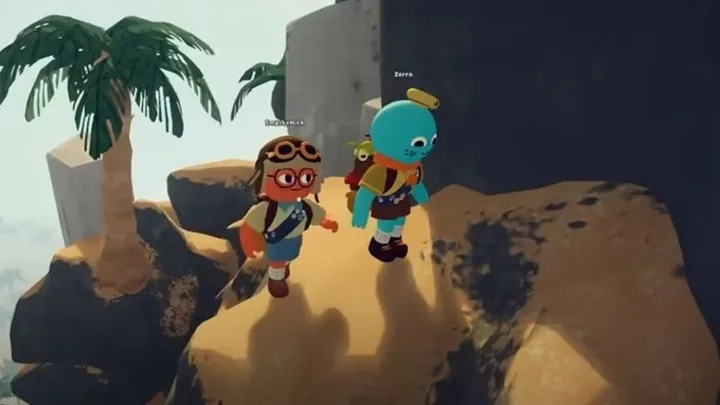
4. Core Gameplay Mechanics Explained
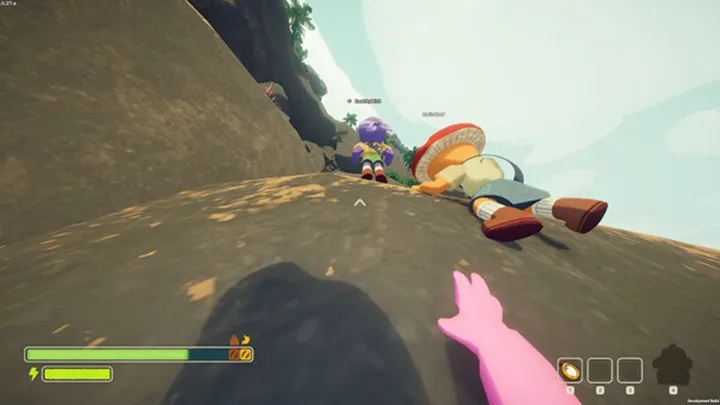
The mechanics in PEAK are deliberately grounded. This hot game simulates weight, grip, and momentum in a way that feels physical.
Understanding how to control movement is essential.
Climbing and Grip System
Each hand placement matters.
Stamina and Balance
Overexertion leads to failure.
5. Time, Pacing, and Player Endurance
Time in PEAK is not measured by clocks but by endurance. This hot game rewards slow, thoughtful progress.
Learning how to manage pacing prevents unnecessary mistakes.
Slow Progress Is Smart Progress
Rushing almost always leads to falling.
Reading Your Limits
Knowing when to rest is critical.
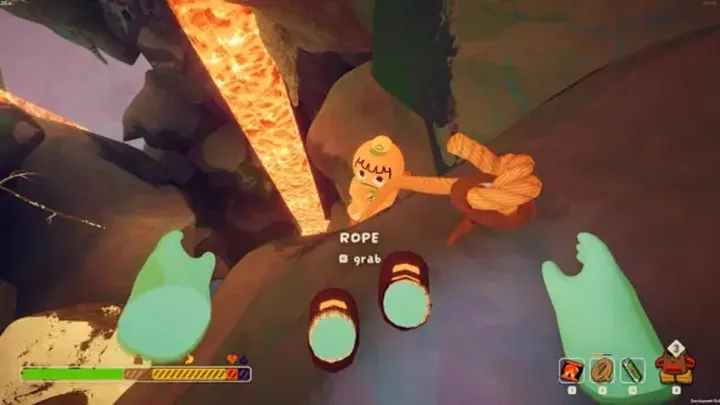
6. Environmental Design and Natural Obstacles
The environment is the main antagonist in PEAK. This hot game uses terrain to test awareness and adaptability.
Understanding how to read surfaces and angles improves survival.
Types of Terrain
- Steep rock faces
- Narrow ledges
- Unstable surfaces
Weather and Atmosphere
Environmental conditions affect difficulty.
7. Cooperative Play and Human Connection
One of PEAK’s most powerful elements is cooperation. As a hot game, it shines brightest when played with others.
Knowing how to communicate and trust teammates is essential.
Team-Based Climbing
Helping others can save lives.
Emotional Bonding
Shared struggle creates strong connections.
8. Failure, Falling, and Learning
Failure is not punishment in PEAK—it is education. This hot game treats falling as part of the experience.
Understanding how to learn from mistakes accelerates improvement.
Common Causes of Failure
- Overconfidence
- Fatigue
- Poor planning
Growth Through Repetition
Each fall teaches something new.
9. Common Mistakes and How to Avoid Them
Many players struggle early in PEAK because they fight the design. Even a hot game demands respect.
Knowing how to avoid common errors increases enjoyment.
Frequent Beginner Mistakes
- Moving too fast
- Ignoring stamina
- Not communicating
Discipline Over Skill
Patience matters more than reflexes.
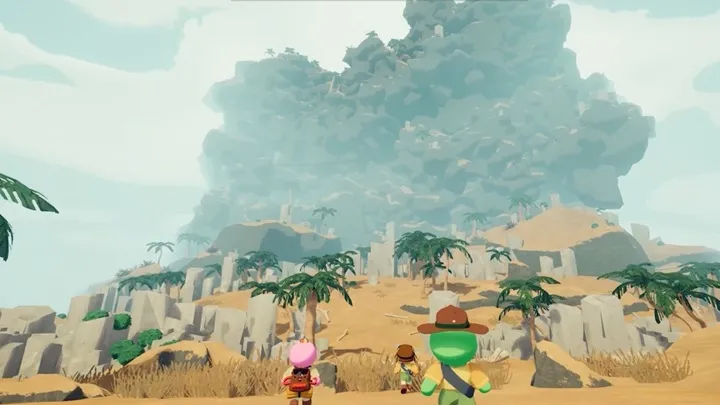
10. Replay Value and the Lasting Impact of PEAK
The long-term appeal of PEAK lies in its emotional depth. As a hot game, it creates memories rather than scores.
Understanding how to approach each climb differently keeps the game fresh.
Every Climb Is Unique
Small changes create new challenges.
A Game That Stays With You
The experience lingers after you stop playing.
Conclusion
PEAK is not just a game about climbing—it is a reflection of human persistence, cooperation, and limitation. By learning how to move carefully, respect the environment, and embrace failure, players discover why PEAK has become such a hot game. It challenges not only your skills, but your mindset, rewarding patience, trust, and resilience. In reaching the summit, the true achievement is the journey itself.