.webp)




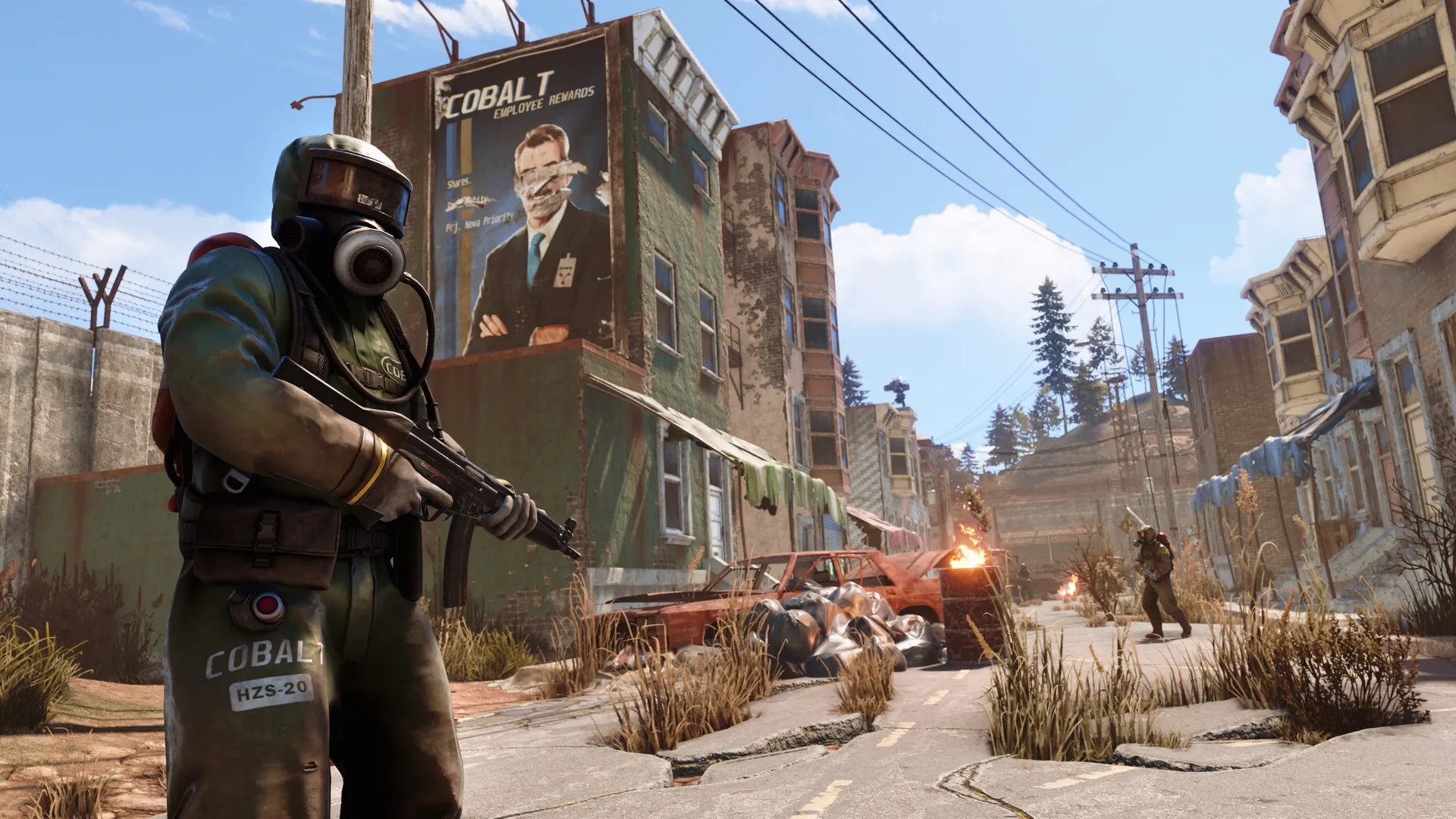
Rust is a multiplayer survival game defined by player interaction, scarcity, and constant risk. Unlike traditional survival games, the greatest threat in Rust is often other players rather than the environment itself. Every decision, from where you build to when you fight, has lasting consequences.
This guide is designed to help new and intermediate players survive longer, build smarter, and progress more consistently. By understanding core systems, minimizing early mistakes, and adapting to player-driven threats, you can significantly improve your experience in Rust.
1. Understanding Rust’s Survival Philosophy
Player-Driven Danger
In Rust, other players are unpredictable and often hostile.
Learning to read player behavior is just as important as learning game mechanics.
Persistence and Loss
Everything in Rust can be lost.
Accepting loss as part of the game reduces frustration and improves decision-making.
2. Choosing a Smart Starting Location
Avoiding High-Traffic Areas
Popular monuments attract experienced players and frequent PvP.
Building nearby increases risk, especially for beginners.
Looking for Resource Balance
A good base location offers access to trees, stone, and animals.
Balanced resources reduce travel time and exposure.
3. Early-Game Priorities and Progression
Crafting Essential Tools
Stone tools and basic weapons should be crafted immediately.
Efficient gathering accelerates all future progression.
Securing a Starter Base
A small, secure base is more valuable than a large, weak one.
Prioritize doors, locks, and tool cupboards early.
4. Base Building and Defense Basics
Building for Defense First
Base design matters more than size.
Multiple doors and compartments slow down raiders.
Avoiding Predictable Layouts
Common base designs are easier to raid.
Simple variations increase security without extra cost.
5. Resource Management and Smelting
Efficient Smelting Strategy
Smelt only what you need early.
Large furnaces attract attention and waste fuel.
Protecting Valuable Resources
Store resources in multiple boxes.
Spreading risk reduces total loss during raids.
6. Understanding PvP and Combat Survival
Choosing When to Fight
Not every encounter should be a fight.
Avoiding combat preserves resources and time.
Positioning and Awareness
High ground and cover are critical.
Situational awareness often determines survival more than aim.
7. Progressing Through Technology Trees
Research vs. Blueprint Stealing
Researching items is expensive but reliable.
Stealing or looting blueprints can accelerate progress.
Choosing Efficient Tech Paths
Focus on weapons, armor, and base defense first.
Luxury items can wait.
8. Raiding and Counter-Raiding Strategy
Knowing When to Raid
Raiding requires preparation and timing.
Poorly planned raids waste explosives and attract enemies.
Defending Against Counter-Raids
Always expect third-party interference.
Secure exits and fallback positions during raids.
9. Playing Solo vs. Group Strategy
Solo Survival Techniques
Solo players must prioritize stealth and efficiency.
Avoid prolonged fights and large bases.
Group Coordination
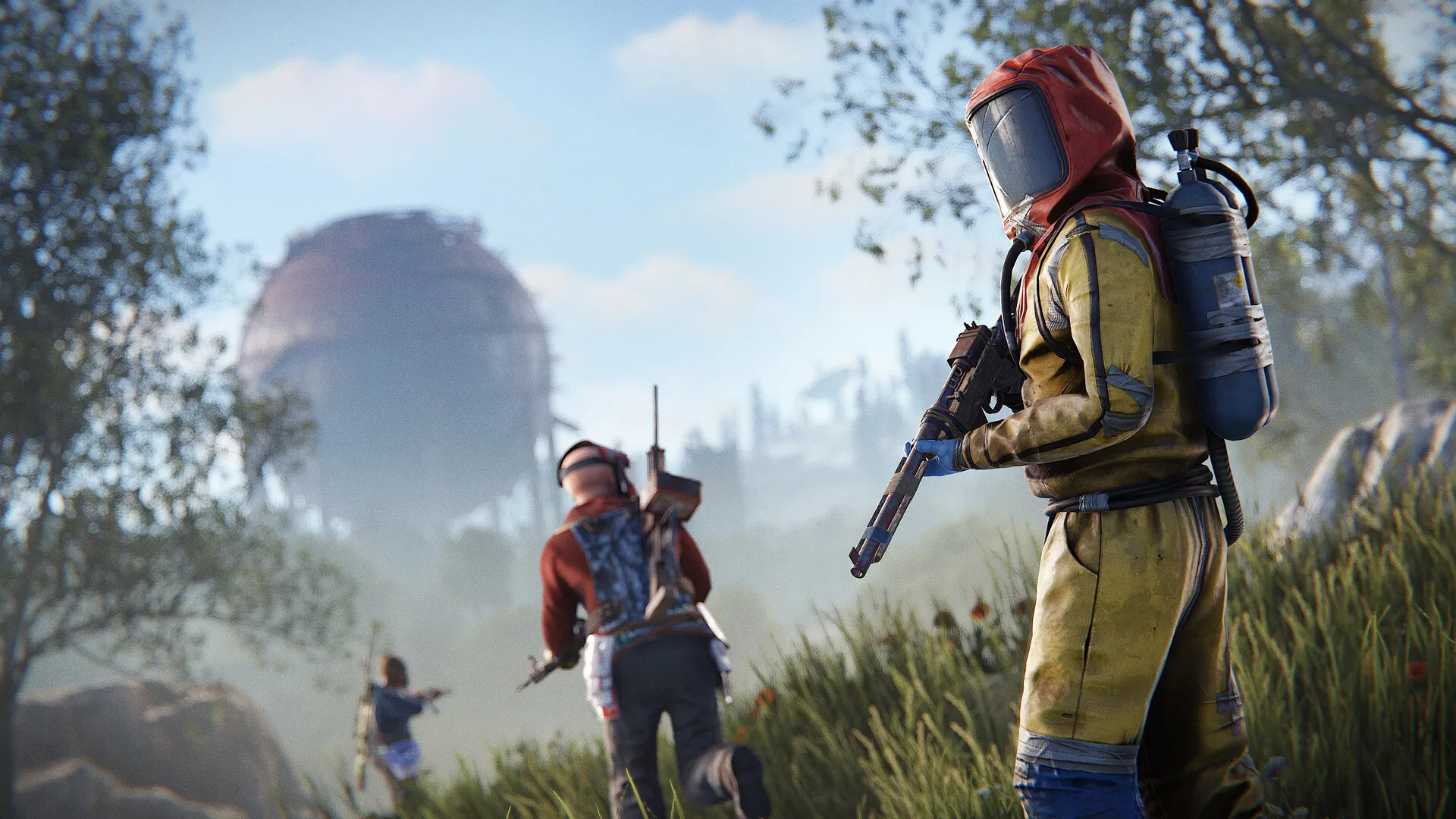
Groups benefit from role specialization.
Clear communication reduces mistakes and internal conflict.
10. Developing the Right Rust Mindset
Detachment From Loot
Emotional attachment leads to poor decisions.
Treat gear as temporary tools, not possessions.
Learning From Each Wipe
Each server wipe is a fresh start.
Applying past lessons leads to steady improvement.