.webp)
Marvel Rivals is a 6v6 team-based hero shooter set in the Marvel multiverse, combining fast-paced gunplay with ability-driven combat and synergistic team mechanics. Unlike traditional shooters, success here depends less on raw aim alone and more on positioning, cooldown timing, team composition, and coordinated ultimate usage.
This guide breaks down progression chronologically — from beginner fundamentals to advanced ranked-level optimization — so you can climb efficiently and dominate matches.
1. Understanding Core Game Structure
Before mastering heroes, understand the game’s structural design.
Marvel Rivals revolves around:
- 6v6 team fights
- Objective-based maps
- Role diversity
- Hero synergy mechanics
Match Flow Overview
Typical flow:
- Team composition selection
- Initial engagement
- Ultimate economy buildup
- Mid-fight repositioning
- Final objective push
Winning requires structured fight planning, not random aggression.
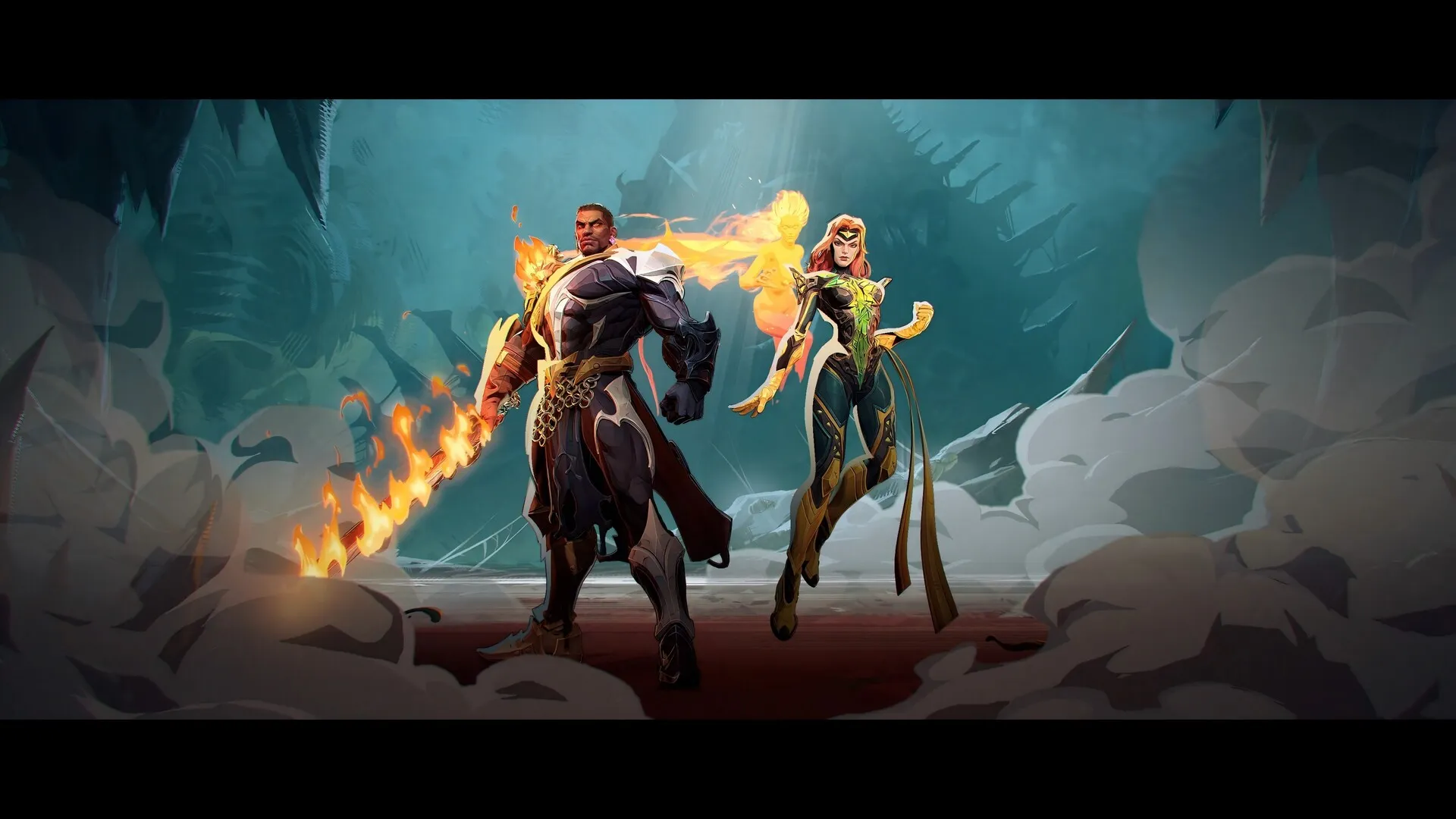
2. Choosing the Right Role Early
Heroes fall into functional categories:
- Damage (DPS)
- Tank (Frontline control)
- Support (Healing & utility)
Beginner Recommendation
If new:
- Start with durable DPS heroes.
- Avoid complex combo-dependent characters.
- Focus on learning map flow first.
Role Responsibility Breakdown
Tank:
- Initiates fights
- Controls space
- Absorbs pressure
DPS:
- Secures eliminations
- Applies consistent damage
- Flanks strategically
Support:
- Sustain team
- Enable pushes
- Manage defensive ultimates
Understanding responsibility prevents misplays.
3. Mastering Team Composition Synergy
Marvel Rivals emphasizes synergy mechanics between specific heroes.
Build Around Core Combos
Strong compositions usually include:
- 1 main tank
- 1 off-tank or utility bruiser
- 2 DPS
- 2 support
Avoid:
- 4 DPS compositions
- No sustain setups
- Duplicate playstyles
Synergy Over Individual Skill
A coordinated combo can outperform mechanically superior opponents.
Plan around:
- Ultimate combinations
- Crowd control layering
- Defensive sustain timing
4. Map Awareness & Positioning
Positioning wins more fights than aim.
High Ground Advantage
Control elevated areas to:
- Increase visibility
- Force enemy exposure
- Reduce flanking risk
Avoid Overextension
Common mistake:
- Chasing low HP enemies too far
- Breaking formation
- Dying before next objective
Maintain line-of-sight with supports.
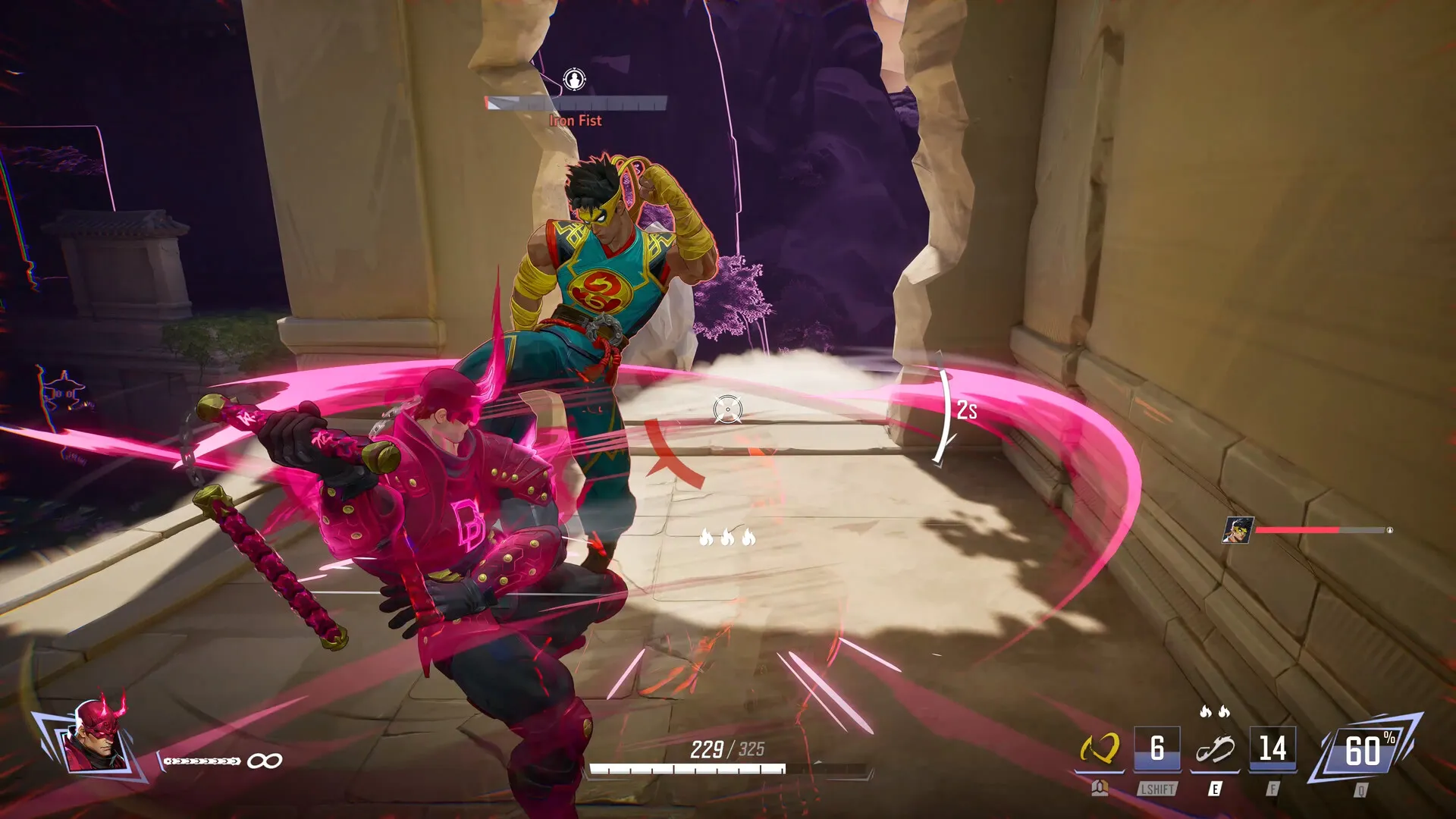
5. Cooldown Management Strategy
Abilities are fight-defining resources.
Track Key Cooldowns
Important cooldown types:
- Escape abilities
- Crowd control
- Defensive shields
- Healing bursts
Engage when enemy defensive cooldowns are unavailable.
Stagger Usage
Do not layer all abilities at once unless committing to a full push.
Staggering ensures sustained pressure.
6. Ultimate Economy & Fight Planning
Ultimate management separates casual from competitive players.
Build Economy Intelligently
Avoid:
- Using ultimate in lost fights
- Solo ult usage without follow-up
- Overlapping defensive ultimates
Fight Win Condition
Before engaging, ask:
- Do we have ultimate advantage?
- Do they have defensive counter?
- Can we combo effectively?
Team-based ult stacking often guarantees objective capture.
7. Target Priority Optimization
Elimination order matters.
Priority List (General Rule)
- Support heroes
- High-impact DPS
- Low-mobility damage
- Tanks last
Eliminating sustain collapses enemy formation.
Don’t Tunnel Tanks
Tanks are designed to absorb damage. Focus on breaking backline first.
8. Communication & Coordination
Even minimal communication increases win rate significantly.
Essential Callouts
Communicate:
- Enemy ultimate status
- Flanking threats
- Low HP targets
- Cooldown availability
Short, precise callouts outperform emotional reactions.
Synchronize Engagements
Wait for:
- Tank initiation
- Support positioning
- DPS readiness
Staggered entry loses fights.
9. Ranked Climbing Strategy
Climbing requires consistency.
Specialize First
Master:
- 2 heroes in your main role
- 1 backup hero
Avoid constantly switching heroes without mastery.
Review Performance Metrics
Track:
- Damage per minute
- Death count
- Ultimate efficiency
- Objective participation
Reduce unnecessary deaths before increasing aggression.
10. Advanced Meta Adaptation
As the meta evolves, flexibility matters.
Counter-Picking Strategy
Adapt to:
- Enemy dive compositions
- Sniper-heavy teams
- Sustain-focused comps
Change heroes strategically — not emotionally.
Maintain Mental Stability
Tilt leads to:
- Overaggression
- Blame shifting
- Poor positioning
Calm decision-making maintains win rate consistency.
Common Beginner Mistakes
- Ignoring team composition
- Solo pushing objectives
- Wasting ultimates
- Overextending for kills
- Poor cooldown tracking
Fixing these dramatically improves performance.
Conclusion
Marvel Rivals rewards strategic awareness, teamwork, and disciplined resource management over pure mechanical skill. Players who understand synergy, positioning, and ultimate economy will consistently outperform aim-focused but uncoordinated teams.
Approach every match with structure: draft intelligently, control positioning, track cooldowns, and execute coordinated team fights.
Victory is built on synergy, not chaos.