





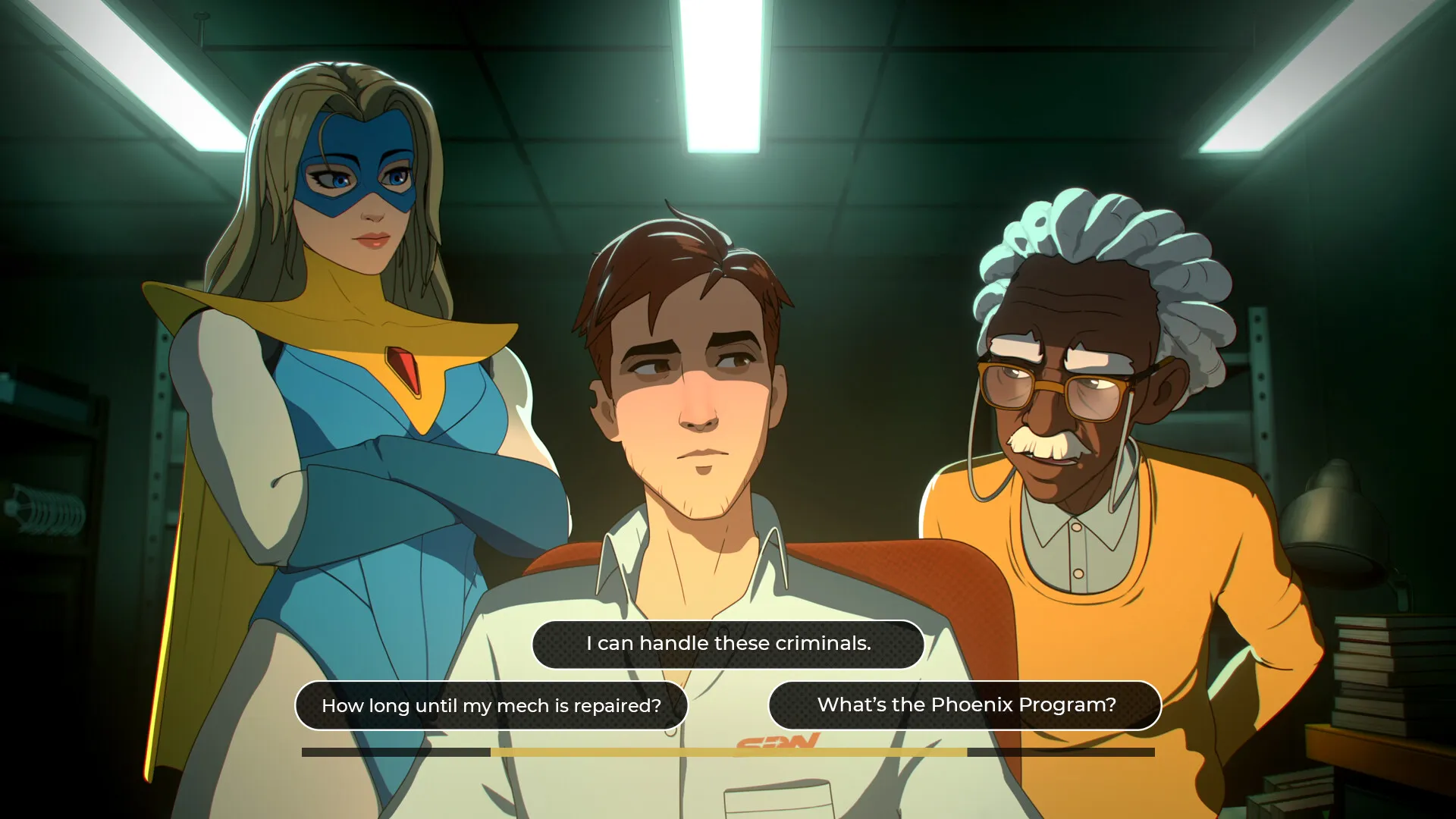
Dispatch is a strategy and management-driven game that challenges players to think like a commander, coordinator, and problem solver at the same time. Rather than focusing purely on action, Dispatch emphasizes planning, prioritization, and the ability to react intelligently to constantly changing situations. Every decision you make—who to send, where to send them, and when—can create ripple effects that define success or failure.
This in-depth Tips & Guides article is designed to help players fully understand Dispatch from the ground up. Structured according to gameplay progression and logical learning order, the guide covers early-game fundamentals, resource and unit management, mission prioritization, mid-game optimization, crisis handling, and late-game mastery. Whether you are new to Dispatch or looking to refine your systems-level thinking, this guide will help you operate with clarity, efficiency, and confidence.
H2 1. Understanding the Core Gameplay Loop of Dispatch
At its core, Dispatch revolves around information flow and response timing. Players receive requests, incidents, or missions and must allocate limited resources to address them efficiently. The challenge is not just completing tasks, but doing so while preparing for future events.
The game rewards foresight more than reaction. Players who only respond to current problems often find themselves overwhelmed later, while those who anticipate future needs maintain control even during high-pressure moments.
H3 Core Gameplay Pillars
- Task prioritization
- Resource allocation
- Time management
- Risk assessment
H4 Why the Loop Matters
Understanding how actions feed into future conditions allows players to stay proactive instead of constantly firefighting.

H2 2. Early Game Foundations and First Decisions
The early game in Dispatch is where habits are formed. Mistakes here are forgiving, but poor habits will limit long-term efficiency.
Your first objective is stability. Learn how systems interact, understand the cost of each action, and avoid overcommitting resources too early.
H3 Early Game Priorities
- Learn interface and information layout
- Complete low-risk tasks first
- Preserve flexible resources
H4 Common Beginner Mistakes
Many new players exhaust their best units early, leaving no options when emergencies arise.
H2 3. Understanding Units, Roles, and Capabilities
Units in Dispatch are not interchangeable. Each has strengths, weaknesses, and situational value.
Learning what each unit excels at—and what they struggle with—prevents inefficient assignments and unnecessary failures.
H3 Common Unit Roles
- Rapid-response units
- Specialized task units
- Support or recovery units
H4 Role Discipline
Assign units based on suitability, not availability. A rested specialist is often better than a tired generalist.
H2 4. Mission Evaluation and Priority Setting
Not all missions are equal. Some provide long-term benefits, while others simply prevent immediate penalties.
Learning how to evaluate urgency versus importance is critical. High-urgency tasks may not always be high-impact.
H3 Priority Assessment Factors
- Time sensitivity
- Resource cost
- Long-term consequences
- Failure penalties
H4 Strategic Sacrifices
Sometimes letting a minor issue fail protects your ability to handle larger crises later.

H2 5. Resource Management and Efficiency Planning
Resources in Dispatch are finite and often slow to recover. Effective management is the difference between controlled growth and constant collapse.
Players must balance spending resources to solve problems now versus saving them for future emergencies.
H3 Key Resource Types
- Personnel availability
- Energy or stamina
- Budget or supplies
- Time windows
H4 Efficiency Rule
Always ask whether a cheaper solution exists that achieves acceptable results.
H2 6. Time Pressure, Scheduling, and Multitasking
Time is the most valuable resource in Dispatch. Multiple events often overlap, forcing players to juggle priorities under pressure.
Learning to stagger tasks, pre-assign units, and anticipate overlaps reduces panic and errors.
H3 Time Management Techniques
- Buffer time between assignments
- Avoid full commitment of all units
- Plan for recovery windows
H4 Avoiding Burnout
Overworking units leads to compounding penalties that are difficult to recover from.
H2 7. Mid-Game Complexity and System Interactions
As the game progresses, Dispatch introduces layered systems that interact in non-obvious ways. Mid-game is where strategic thinking becomes essential.
Players must start planning multiple steps ahead, considering how today’s decisions affect tomorrow’s capacity.
H3 Mid-Game Focus Areas
- System synergies
- Long-term upgrades
- Preventative strategies
H4 Breaking Through Plateaus
If the game feels overwhelming, reassess priorities rather than increasing activity.
H2 8. Crisis Management and High-Stress Scenarios
Crises test everything you have learned. Multiple failures, limited resources, and strict time constraints force decisive action.
The key to crisis management is calm evaluation, not frantic clicking. Clear thinking preserves options.
H3 Crisis Response Principles
- Stabilize before optimizing
- Protect core resources
- Accept controlled losses
H4 Post-Crisis Recovery
After a crisis, slow down and rebuild capacity before pushing forward again.
H2 9. Late-Game Optimization and Mastery
Late-game Dispatch rewards precision and foresight. Systems become tightly connected, and inefficiencies are magnified.
Players at this stage should aim to minimize waste, maintain redundancy, and operate with confidence.
H3 Advanced Optimization Strategies
- Redundant unit coverage
- Predictive resource planning
- Long-term mission chaining
H4 Mastery Mindset
Late-game success is about consistency, not constant expansion.
H2 10. Long-Term Strategy, Replayability, and Skill Growth
Dispatch encourages replayability by rewarding player knowledge rather than memorization. Each run improves your understanding of systems and priorities.
Long-term mastery comes from reflection—analyzing what worked, what failed, and why.
H3 Long-Term Improvement Tips
- Review failed runs objectively
- Experiment with alternative strategies
- Stay adaptable to new challenges
H4 Sustainable Success
The best players are those who remain flexible and composed under pressure.
Conclusion
Dispatch is a game that challenges players to think strategically, manage limited resources, and make difficult decisions under pressure. Its depth lies not in complexity alone, but in how simple systems interact to create meaningful consequences. By mastering unit roles, prioritizing intelligently, managing time and resources effectively, and learning to handle crises calmly, players can transform chaos into control.
True success in Dispatch comes from foresight, discipline, and adaptability. With the tips and guides in this article, you are equipped to plan smarter, respond faster, and lead more effectively through every challenge the game presents.