How to Play Planet Coaster Effectively
Popular Now
1. Plan Your Park Layout Early
A structured layout prevents operational issues later.
Core setup:
Separate ride zones clearly
Leave space for expansion
Design wide main pathways
Place utilities behind scenery
Efficient planning improves long-term park flow.
2. Focus on Guest Movement
Crowd flow directly impacts park success.
Movement optimization:
Avoid narrow paths near major rides
Create loops instead of dead ends
Place high-demand rides in different areas
Reduce congestion around entrances
Smooth movement increases guest satisfaction.
3. Start with Profitable Rides
Early income is critical for growth.
Best starting rides:
Small thrill rides
Family attractions
High capacity coasters later
Avoid expensive builds too early
Stable revenue supports expansion.
4. Design Coasters Carefully
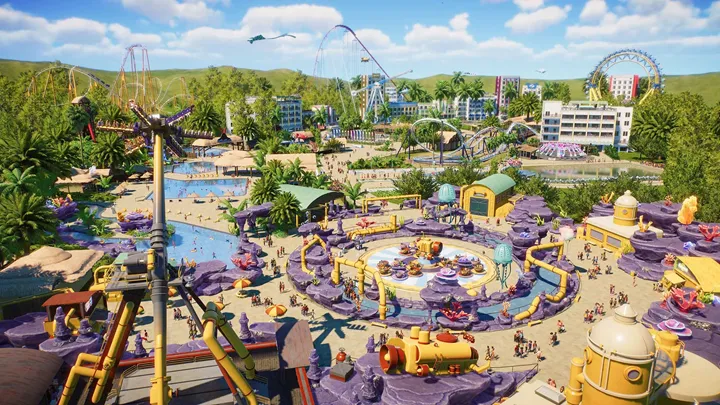
Roller coasters are the main attraction.
Key coaster principles:
Balance excitement and fear ratings
Avoid extreme g-forces
Use smooth turns and drops
Test rides before opening
Well-designed coasters attract more visitors.
5. Manage Park Finances
Financial control determines sustainability.
Budget strategies:
Monitor ride maintenance costs
Adjust ticket pricing gradually
Avoid unnecessary scenery early
Track profit per ride
Healthy finances keep the park growing.
6. Use Scenery to Boost Ride Prestige
Scenery increases attraction value.
Effective decoration:
Add themed props around rides
Use terrain and water creatively
Decorate queue lines
Match scenery with ride theme
Higher prestige increases ride popularity.
7. Hire and Organize Staff Properly
Staff management keeps the park efficient.
Important roles:
Mechanics for ride maintenance
Janitors for cleanliness
Security for safety
Entertainers for atmosphere
Assign staff zones to improve efficiency.
8. Optimize Queue Lines
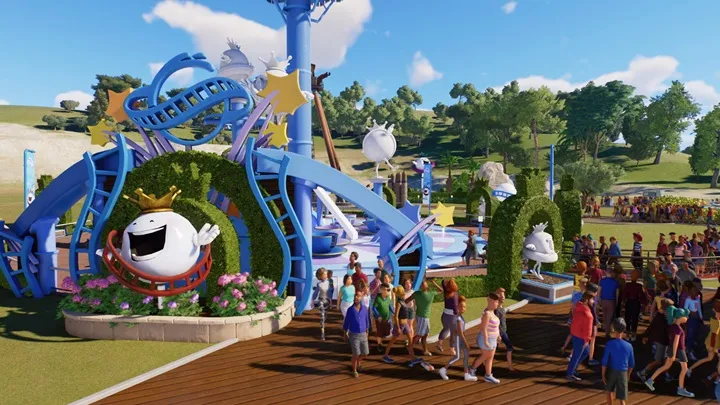
Queue design affects guest experience.
Queue improvements:
Add entertainment in queues
Use scenery to increase excitement
Avoid overly long wait times
Balance ride capacity with demand
Better queues reduce guest frustration.
9. Expand the Park in Phases
Rapid growth can cause financial strain.
Expansion strategy:
Open new zones gradually
Add shops near busy rides
Improve infrastructure first
Watch guest demand patterns
Controlled expansion stabilizes growth.
10. Monitor Guest Feedback
Guest thoughts reveal park issues.
Important insights:
Ride popularity ratings
Complaints about prices
Path congestion reports
Facility shortages
Adjust the park based on feedback data.
Final Thoughts
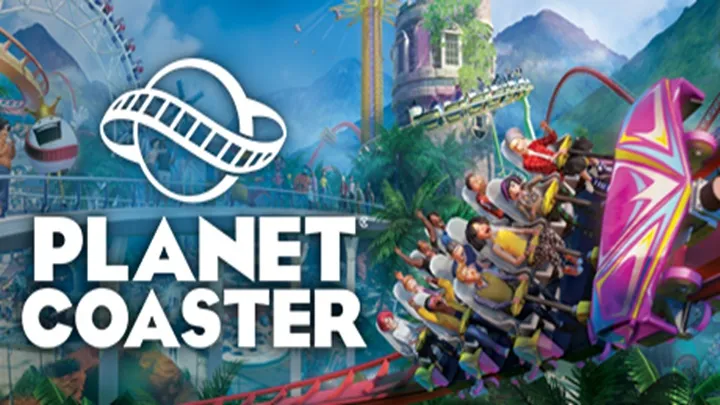
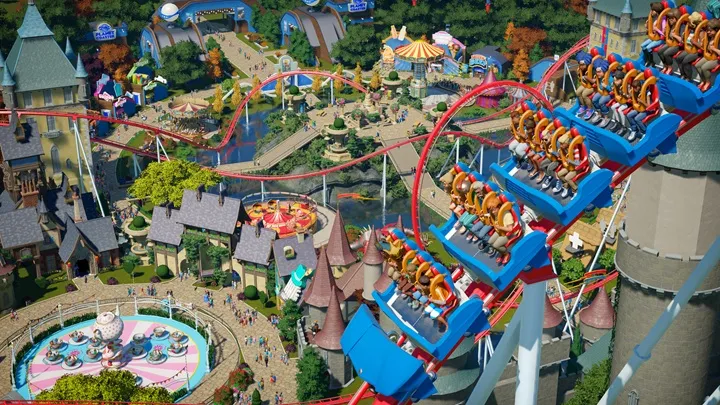
Planet Coaster rewards creative design, efficient park management, and smart financial planning. Successful players build exciting rides, manage guest flow effectively, and continuously improve their park layout to maintain high visitor satisfaction.
Focus on balance between creativity and management.