Go-Go Town! – How to Build, Manage, and Grow the Perfect Town

Go-Go Town! is a colorful town-building and management game that combines construction, exploration, resource gathering, business management, and cooperative gameplay. Instead of simply placing buildings and waiting for a city to grow, you take an active role in developing the town, completing tasks, collecting resources, attracting residents, and keeping the local economy moving.
Building a successful town requires more than adding as many structures as possible. You need to think about where buildings belong, how residents and visitors move around, which businesses should be developed first, and how to maintain a steady supply of resources. The more efficiently you manage these systems, the faster your town can expand and unlock new possibilities.
Whether you are starting your first town or trying to create a highly efficient settlement, understanding the basic progression system will make a significant difference. This guide explains how to start, gather resources, construct buildings, manage workers, develop businesses, attract residents, and create a thriving town in Go-Go Town!
1. How to Start Your Town Efficiently
The beginning of Go-Go Town! is primarily about learning how the town's systems work. Rather than immediately spending resources on every available construction option, start by completing the introductory objectives and familiarizing yourself with the surrounding area. These early tasks introduce important mechanics while providing resources that help you establish your first infrastructure.
Pay attention to the environment around your starting location. Trees, rocks, open spaces, roads, and existing structures can all influence how you plan your settlement. A little organization at the beginning can prevent unnecessary rebuilding later.
During the early stages, prioritize practical improvements over decorative projects. Your first goals should generally include:
- Establishing basic infrastructure
- Gathering essential resources
- Unlocking useful buildings
- Improving transportation around town
- Increasing the number of residents
- Creating reliable sources of income
Once the basic systems are functioning, expansion becomes considerably easier. A strong foundation allows later businesses and services to operate without constantly running into resource or space problems.
2. How to Gather Resources Quickly
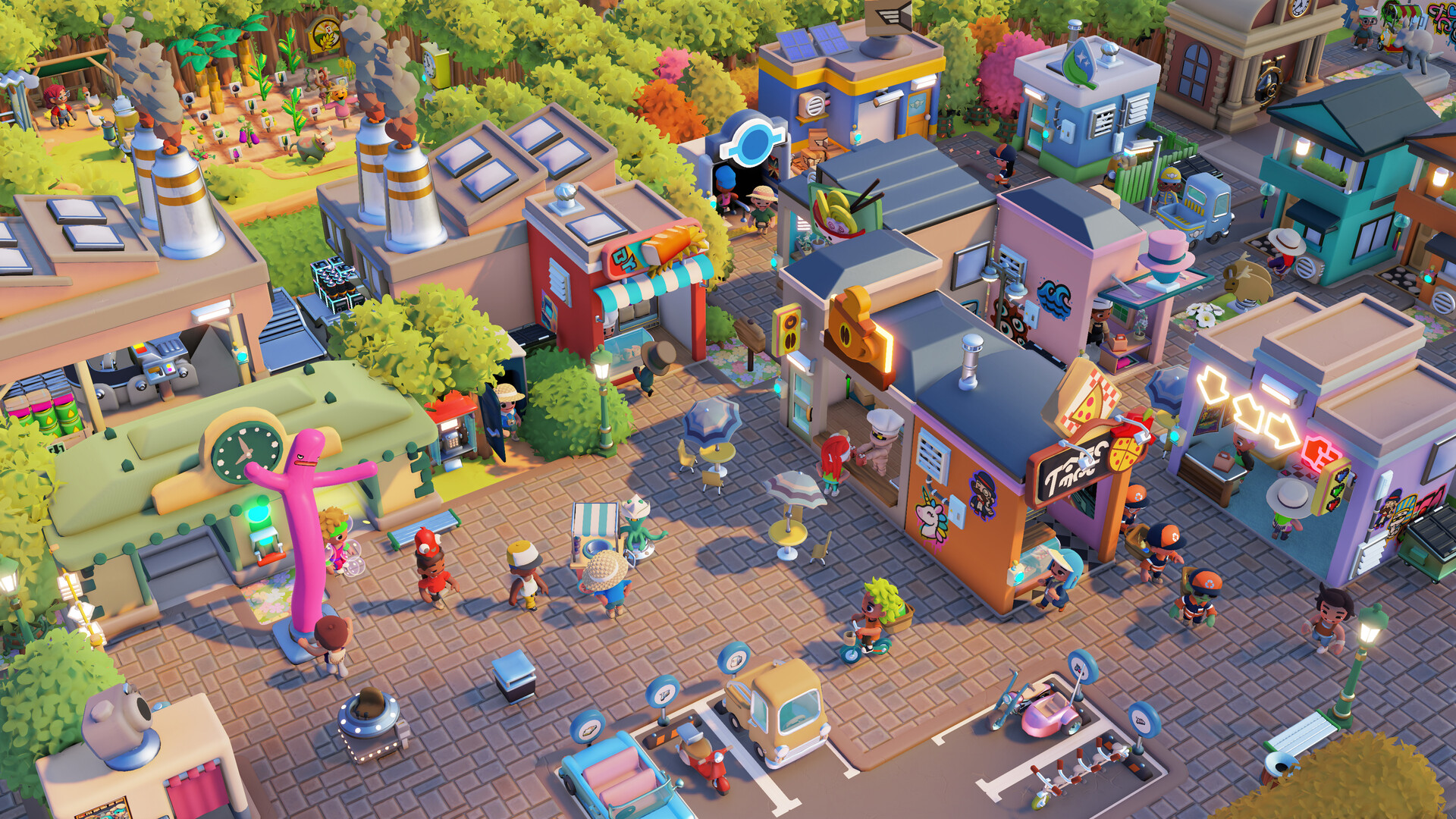
Resources are fundamental to town development. Construction, upgrades, businesses, and various projects require materials, so gathering efficiently should become part of your regular routine. Explore the town and surrounding areas to identify the most useful resource locations rather than collecting everything randomly.
One of the most important habits is to avoid allowing resource gathering to become disconnected from construction. Before collecting large quantities of a material, determine what you are planning to build next. This prevents your storage from filling with resources that are not immediately useful.
As your town develops, look for ways to improve your gathering efficiency. Better tools, upgraded infrastructure, and automated systems can reduce the amount of manual work required. Whenever possible, transition repetitive activities into systems that allow the town to continue producing resources while you focus on larger projects.
Efficient gathering usually follows a simple cycle: identify what you need, collect it in batches, return it to the appropriate location, and immediately use or store it. This keeps your inventory organized and reduces unnecessary travel.
3. How to Build a Well-Organized Town
Town layout is one of the most important long-term considerations. Buildings should not simply be placed wherever there is available space. Think about how residents, workers, customers, and resources will move through the town before committing to a major construction project.
Try grouping buildings according to their function. Commercial areas can be positioned close to busy streets and populated neighborhoods, while production-related structures can be placed in areas where they are convenient for resource transportation. Residential spaces should have enough room for future expansion.
Leave some open space as well. A common mistake is filling every available area during the early game. As the town grows, you will unlock new buildings and discover that additional space is extremely valuable.
A useful planning approach is to divide the settlement into broad zones:
- Residential areas for residents
- Commercial areas for shops and services
- Production areas for resource-related activities
- Transportation routes connecting important locations
- Open areas reserved for future development
A flexible layout will save you time when the town becomes significantly larger.
4. How to Manage Residents and Workers
Residents are more than numbers representing your population. They are an important part of the town's economy, and managing them effectively helps businesses and services operate smoothly. As your settlement expands, you need to pay attention to what roles are available and whether your workforce is being used efficiently.
Avoid expanding faster than your town can support. Constructing many businesses without enough workers can create inefficient systems where buildings remain underused. Instead, expand your workforce alongside your infrastructure.
When assigning workers, consider which activities are currently limiting your growth. If resource production is too slow, additional workers may be more valuable in production-related roles. If commercial activity is becoming a bottleneck, prioritize the businesses that generate the greatest benefit.
You should regularly reassess your workforce as the town changes. A role that was essential during the early game may become less important after unlocking better technology or automation. Moving workers to more productive positions can significantly improve the overall efficiency of your settlement.
5. How to Develop Businesses and Increase Town Income
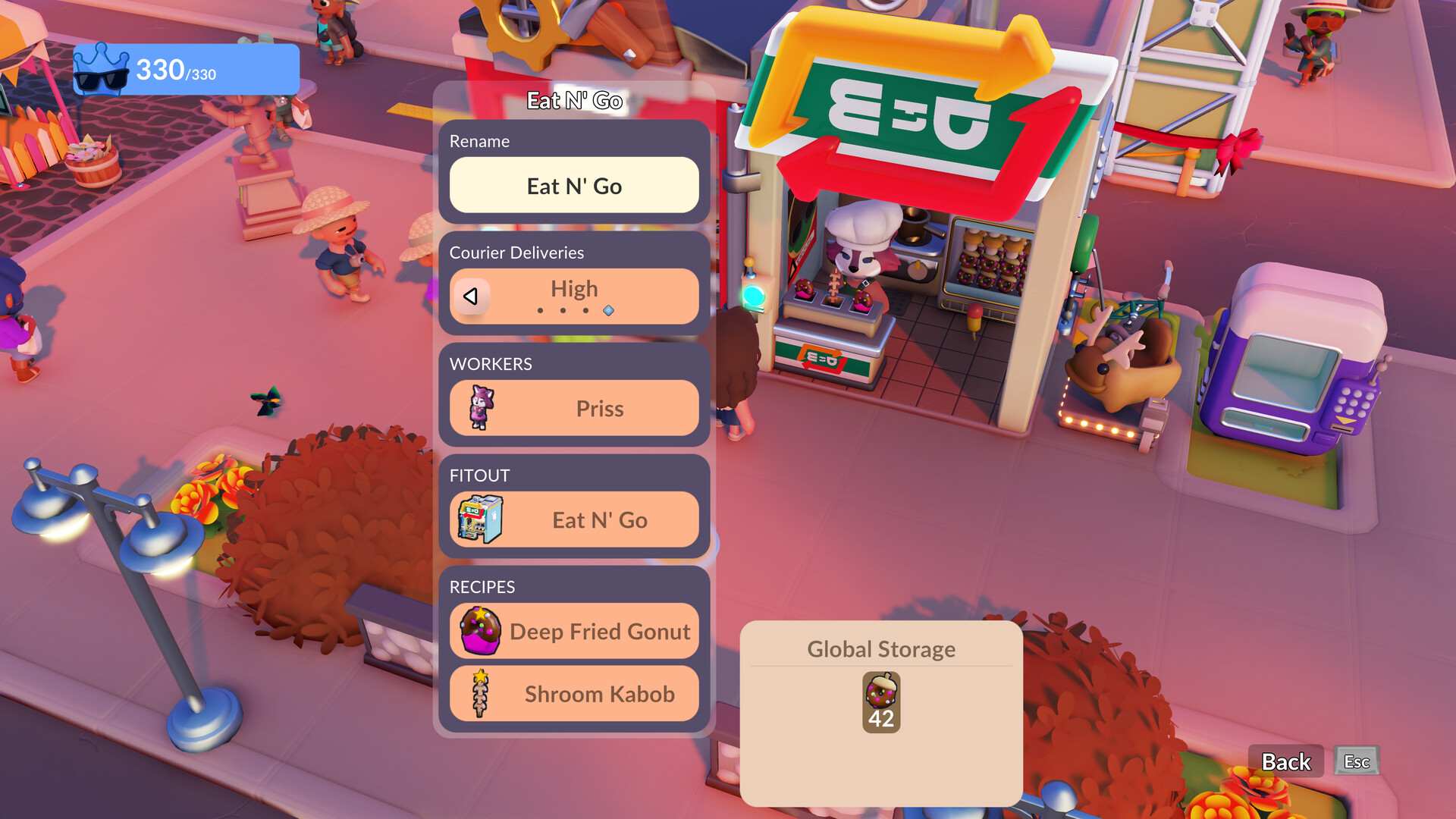
Businesses provide an important foundation for a growing town. Shops, services, and other commercial activities help attract visitors and generate the economic activity needed to support further development.
When deciding which businesses to develop, focus on the ones that complement your existing population and infrastructure. A business is more useful when there are enough customers, workers, and supporting systems around it.
Do not treat every building as equally important. Some structures may provide immediate economic value, while others are better suited to later stages of development. Prioritize investments that help solve your current bottlenecks.
A practical business-development strategy is:
- Establish essential services first
- Improve customer access
- Ensure sufficient staffing
- Monitor resource requirements
- Upgrade productive businesses
- Expand commercial districts gradually
As income improves, reinvest part of your earnings into infrastructure and upgrades. This creates a positive cycle in which better facilities attract more activity, which produces more resources and income for additional improvements.
6. How to Improve Transportation and Movement
Movement becomes increasingly important as the town expands. A settlement that looks organized can still become inefficient if residents, workers, and resources have to travel unnecessarily long distances.
When planning roads and pathways, connect the locations that interact most frequently. Resource production should have convenient access to storage or processing areas, while commercial buildings should be easy for residents and visitors to reach.
Transportation improvements can also reduce the amount of time you personally spend moving around the town. Since you will frequently switch between construction, gathering, exploration, and management tasks, efficient routes can make your overall progression much smoother.
As you expand, periodically review your transportation network. If a new district becomes important, connect it properly instead of forcing residents to travel through an inefficient route.
A well-connected town has several advantages:
- Faster movement between important locations
- Easier resource transportation
- Better access to businesses
- Less wasted travel time
- More room for future expansion
Good transportation planning becomes increasingly valuable as your settlement grows.
7. How to Use Exploration to Support Town Growth
Go-Go Town! is not limited to construction menus and management screens. Exploration is another important part of progression. The surrounding environment contains resources, opportunities, and activities that can contribute to your town's development.
Instead of staying inside the town all the time, regularly explore nearby areas. Look for useful materials, discover new locations, and pay attention to anything that can support future projects. Exploration can also provide a welcome break from repetitive management tasks.
When exploring, bring enough inventory space for useful resources. It is frustrating to discover something valuable and have to abandon it because your inventory is full.
Exploration can be especially productive when combined with a specific objective. For example, if your next construction project requires a particular resource, use the trip to collect that material rather than exploring without a purpose.
Over time, you will become familiar with the environment and develop efficient routes for collecting materials. This turns exploration from a simple side activity into an important part of your town-management routine.
8. How to Upgrade Your Town Without Wasting Resources
Upgrades can dramatically improve your settlement, but resources are limited. Spending everything immediately can leave you unable to complete important projects later.
Before upgrading something, consider what problem the upgrade actually solves. If a building is already functioning well and another part of your town is suffering from a serious bottleneck, improving the weaker system may provide greater overall value.
Infrastructure upgrades are often particularly useful because their benefits can affect multiple parts of the town. Improved transportation, production capacity, storage, and other foundational systems can make future expansion easier.
Try following a priority system:
- Fix major bottlenecks
- Improve essential infrastructure
- Increase production capacity
- Upgrade profitable businesses
- Expand residential capacity
- Invest in optional or decorative improvements
This does not mean decorative construction should be ignored. Personalizing your town is part of the appeal of Go-Go Town!, but balancing creativity with economic development will help you progress more smoothly.
9. How to Expand Without Losing Control
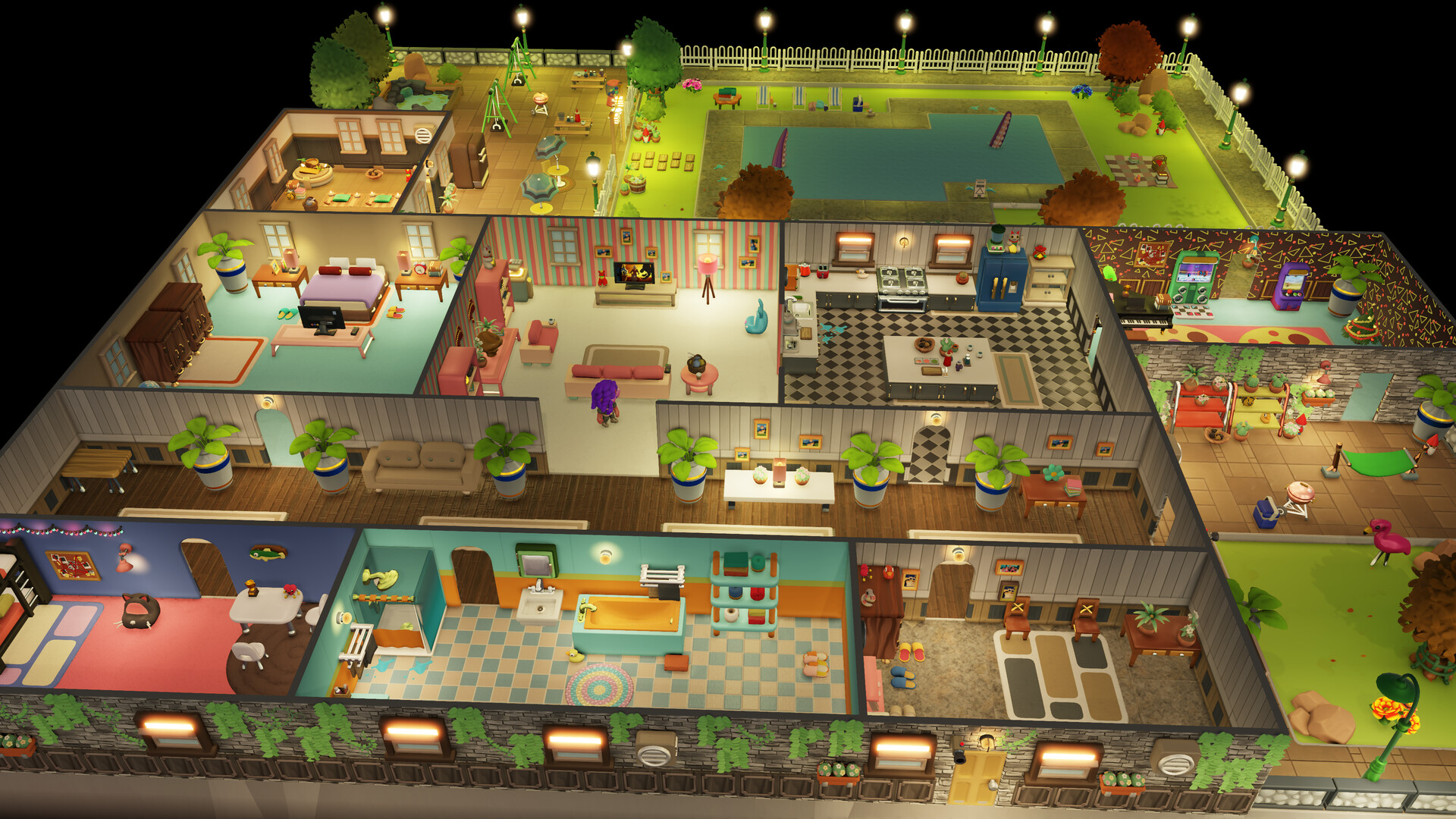
Expansion is exciting, but uncontrolled growth can create new problems. Every new district introduces additional buildings, residents, resources, and transportation requirements. If you expand too quickly, your town can become difficult to manage.
Before opening a new area, make sure your existing systems can support it. Check your resource production, workforce, transportation, and income. If several of these systems are already under pressure, strengthen them before making another major expansion.
Expansion should also be planned around future needs. Leave room for additional businesses and infrastructure rather than building right up to the edge of every available area.
A controlled expansion strategy might look like this:
- Stabilize the current town
- Identify the next development area
- Build essential infrastructure
- Establish the new district
- Add supporting businesses
- Increase the workforce
- Connect transportation
- Upgrade the new area gradually
This approach makes the town easier to understand and maintain. Instead of having one enormous settlement filled with disconnected buildings, you gradually create districts that work together.
10. How to Create a Thriving Long-Term Town
Once your town is established, the goal shifts from simply surviving the early progression to creating a settlement that operates efficiently and reflects your preferred playstyle. At this point, you can focus on improving production, expanding businesses, optimizing transportation, and customizing the appearance of the town.
Regularly inspect your settlement and look for inefficiencies. Are workers spending too much time traveling? Are certain resources constantly running out? Are some businesses underused? Is there enough space for the next stage of development? These questions can reveal problems before they become serious.
You should also avoid thinking of your town as a finished project. A successful settlement can continue to evolve as you unlock new options and experiment with different layouts. You may eventually decide to redesign an older district, move businesses, or create specialized areas.
The strongest long-term strategy combines three elements:
- Efficiency: Make resources, workers, and transportation work effectively.
- Expansion: Gradually increase the size and capabilities of the town.
- Creativity: Design a settlement that feels unique and enjoyable to manage.
Go-Go Town! gives you plenty of freedom to decide how those elements should be balanced. Whether you prefer an optimized economic settlement or a highly personalized town, thoughtful planning will make the experience more rewarding.
Conclusion
Go-Go Town! combines city building with hands-on resource management, exploration, business development, and town customization. The key to successful progression is understanding how these systems interact rather than treating each one separately.
Start with a practical foundation, gather resources efficiently, organize your buildings carefully, and build a workforce that supports your current needs. As the settlement grows, improve transportation, develop profitable businesses, explore the surrounding environment, and expand only when your existing systems are ready.
Most importantly, leave room for experimentation. Your first layout does not need to be perfect. By continuously identifying bottlenecks and improving your infrastructure, you can transform a small settlement into a busy and well-organized town that continues to grow.